
“How much will this cost?”
It’s the most common question homeowners ask—and understandably so. Whether you’re planting a small garden or renovating your entire property, landscaping is an investment. While every project is unique, several core factors consistently influence the final cost. Below is a helpful breakdown of what truly affects pricing and why.
TL;DR - Landscaping Project Costs
- Landscaping costs vary based on project size, plant selection, site conditions, machinery needs, design complexity, and contractor expertise.
- High-quality, mature, or rare plants cost more but provide better long-term appeal and survival rates.
- Difficult access, poor soil, slopes, and tight spaces can significantly increase project cost.
- Medium and large projects often require machinery and professional design for proper layout, spacing, and seasonal beauty.
- Typical price ranges:
- Small projects: $2,000–$5,000
- Medium projects: $10,000–$20,000
- Large projects: $25,000–$50,000+
- Upgrades like water features, lighting, patios, and walkways enhance both beauty and usability.
- Expertise is crucial—proper installation saves money long-term and prevents costly failures.
1. Size of the Project
This one is straightforward—the larger the project, the higher the cost. However, size alone is not the biggest cost driver. Design complexity, materials, and accessibility often play a bigger role.
2. Plant Selection
Plants dramatically influence both the look and cost of a landscape.
Quality Matters
Plants sourced from Certified Growers are typically more disease-resistant and healthier long-term, which leads to better survival rates and fewer replacements.
Size & Maturity
A mature Weeping White Pine may cost several hundred dollars, while a small version of the same plant might cost only $20–$30—but it could take a decade to achieve the same visual presence.
If you want immediate curb appeal, investing in mature plants is worth it.
Rarity
Uncommon or slow-growing varieties cost more due to the time and care required to cultivate them.
3. Area & Site Conditions
Where your property is located—and its physical features—can significantly impact cost.
Challenges that can increase pricing include:
-
Narrow or difficult access
-
Slopes or uneven terrain
-
Overhead wires or underground utilities
-
Poor or rocky soil requiring import of better material
-
Lawn repair or reseeding after installation
More labor, more time, and more obstacles = higher project cost.
4. Machinery Needs
Some projects require additional equipment or specialized skills, such as tree removal, excavation, or heavy lifting.
Large trees or boulders often require multiple operators and machinery to install safely and correctly. These needs should be identified early in the planning stage.
5. Design Complexity
Smaller projects may not require a detailed design. But as the scope grows, a thoughtful design becomes essential.
A landscape design should consider:
-
Proper plant sizing and spacing
-
Color harmony
-
Seasonal interest
-
Terrain (flat, sloped, terraced, etc.)
-
Maintenance preferences
A good design ensures the final result is cohesive, functional, and beautiful in every season.
6. Expertise of the Contractor
Experience matters—often more than homeowners realize.
A seasoned landscaper:
-
Knows what plants thrive in your climate
-
Understands balance, composition, and scale
-
Anticipates challenges before they appear
-
Builds landscapes that last
When you hire expertise, you’re not just paying for labor—you’re paying for years of knowledge that bring long-term value and fewer surprises.
What Different Project Sizes Typically Cost
Small Landscape Projects ($2,000–$5,000)
These can often be completed in 1–2 days with minimal machinery.
Examples may include light planting, small bed renovations, or simple enhancements.
A significant portion of the cost comes from crew mobilization, tools, and material delivery.
Medium Landscape Projects ($10,000–$20,000)
These take several days and may include:
-
Backyard or front-yard renovations
-
New garden beds
-
Plantings paired with a sidewalk or small patio
-
Additional materials like soil or boulders
Lighting is often a great upgrade at this level. A design plan keeps the project organized and aligned with your vision.
Large Landscape Projects ($25,000–$50,000+)
These are full-property transformations requiring extensive planning and execution.
They often include:
-
Major regrading
-
Terracing or reshaping lawn areas
-
Large plantings
-
Extensive material delivery
-
Integrated lighting packages
These ambitious projects usually take at least a week and rely heavily on design expertise and machinery to achieve a balanced, long-lasting result.
Ideas to Enhance Your Landscape
Once you understand costs, it’s time to dream a little! Consider incorporating:
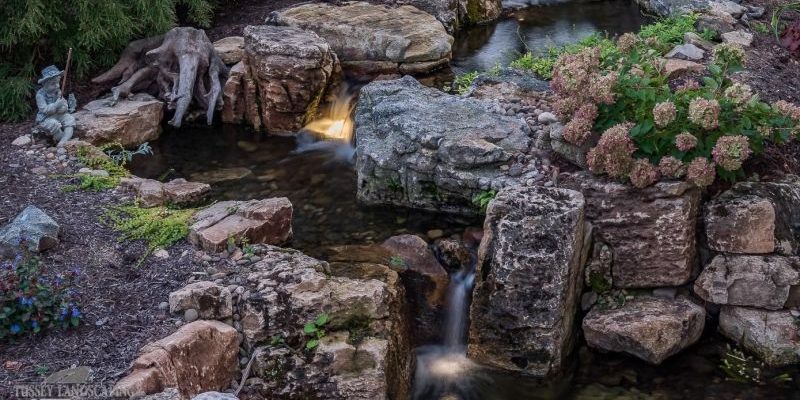
A Water Feature
Ecosystem ponds and other water features bring tranquility and natural movement to your space.
Landscape Lighting
Transform your yard at night with low-maintenance LED lighting. Lighting adds beauty, security, and usability.
Functional Hardscaping
Walkways, patios, and steps increase your home’s usability while blending seamlessly with surrounding gardens.
Curb Appeal Enhancements
A well-designed landscape benefits not only you but everyone who visits or passes by your home.
Ready to Bring Your Vision to Life?
Now that you know what influences landscaping costs, take a fresh look at your backyard. If you have a vision—or even just a starting idea—we’re here to help turn it into something beautiful, functional, and lasting.
